Learn it.
Build it. Fix it.
Morgan Reid writes the kind of book he likes to read. Clear instructions, no filler, no romanticizing the work. Whether the project is bringing a dead radio back to life or tackling something you've never tried before, the goal is the same: hand the reader a path that works and get out of the way.
Published works.
Each book stands on its own. Read the one you need for the project in front of you.
The DIY Vintage Audio Workshop
For anyone with a soldering iron and an old amp that won't power on.
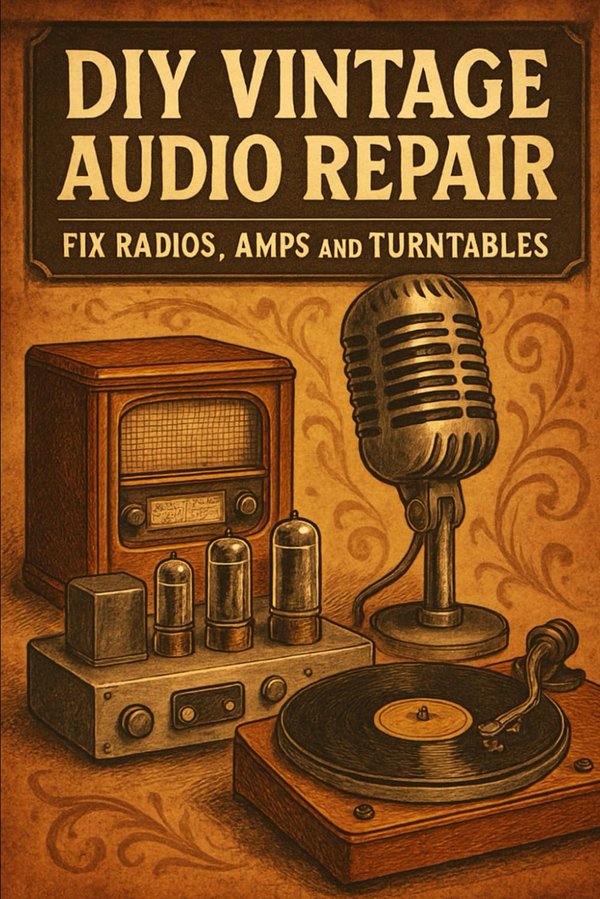
Book 1. DIY Vintage Audio Repair: Fix Radios, Amps and Turntables.
Book 2. DIY Vintage Turntable Repair: Restore Any Record Player and Set It Up to Sound Its Best.
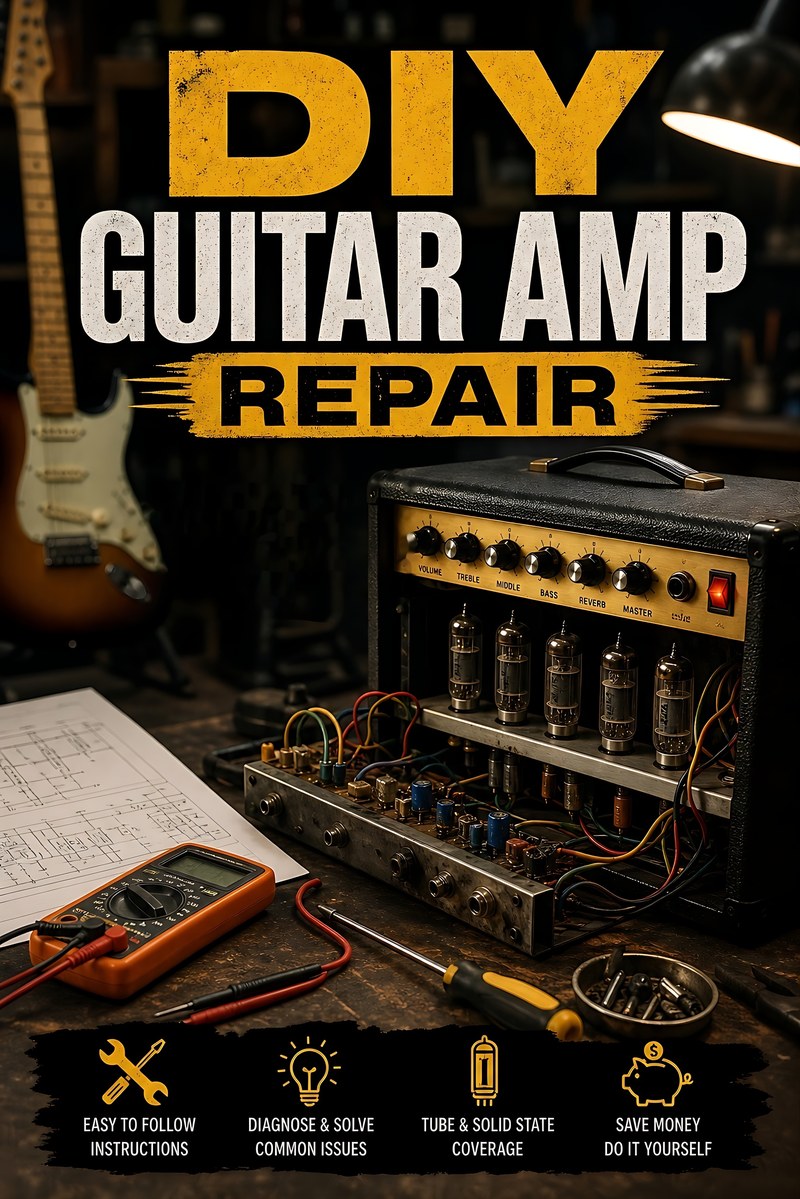
Book 3. DIY Guitar Amp Repair: Fix Tube and Solid-State Amps and Keep Your Rig Stage-Ready.
The Lost Tools Handbook
The tools our great-grandparents trusted never needed an outlet.
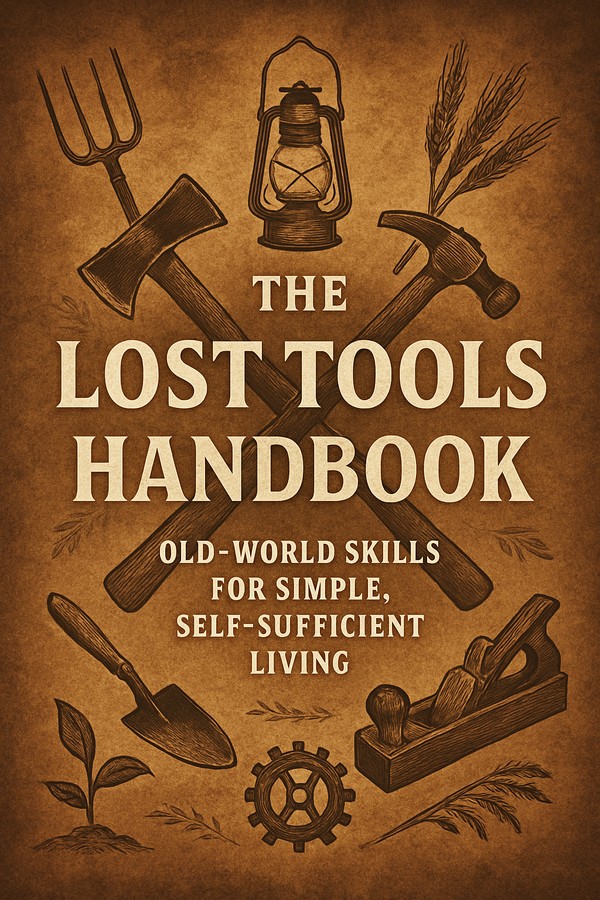
Hand-powered tools for the home, workshop, and garden, whether you're on a homestead, in a small town, or in an apartment with no room to spare. Every chapter pairs old methods with safe modern use, substitutes, and upkeep.
Ends with a twelve-week roadmap of small practice sessions to build the skills for real.
The Hand-Tool Lapidary Handbook
Cut and polish a gemstone on a kitchen table, with no machines at all.
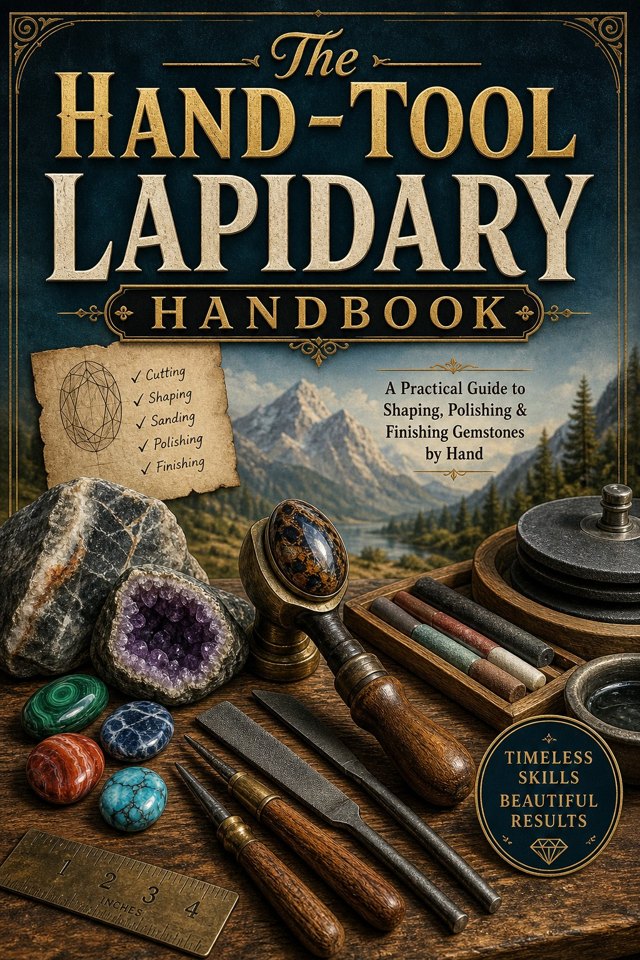
The forgiving stones to start on, a safe setup in a small space, and the full grit ladder from rough slab to mirror finish. Your first three cabochons are walked start to finish.
Then simple hand carving, once cabochons stop being the hard part.
Sourdough Starter Rescue
A starter that looks dead usually isn't. Most come back inside a week.
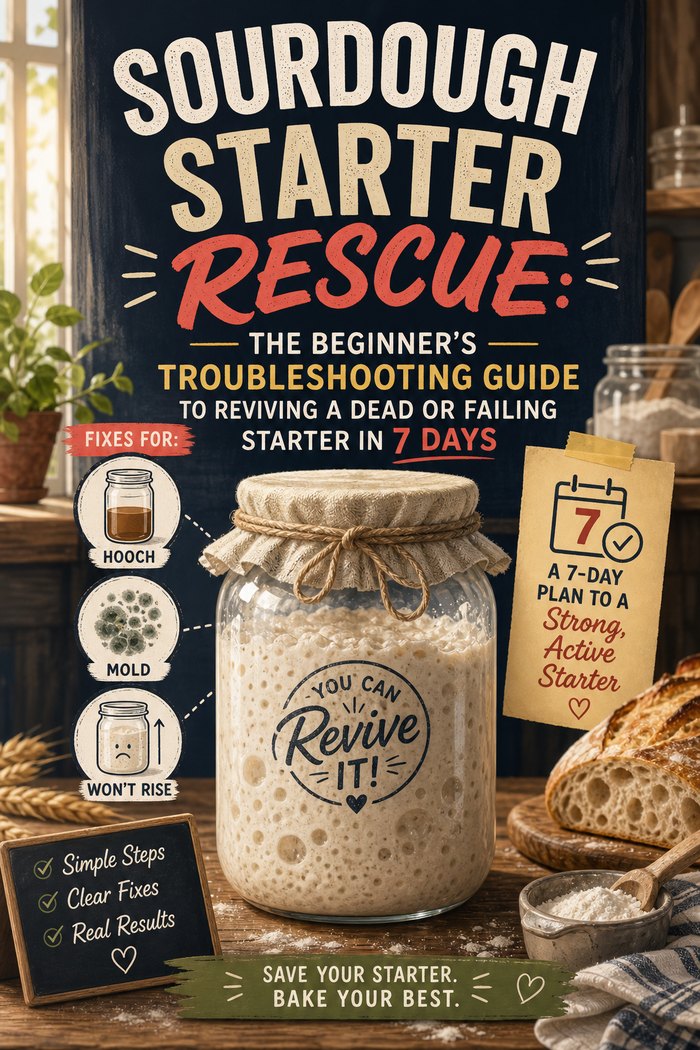
A troubleshooting guide for the starter that stopped rising, smells like acetone, or grew something you can't identify. Diagnose what went wrong, then follow a seven-day revival.
Covers hooch, mold, sluggish rises, and knowing when a starter is genuinely gone.
Kombucha Brewing for Beginners
Fermented tea that actually tastes good, and a SCOBY you can read.

The home brewer's guide to a first batch worth drinking, with side-by-side photos of a healthy SCOBY versus a moldy one so you can tell them apart with confidence.
Fixes for mold, sour batches, and a stubborn SCOBY that refuses to cooperate.
Modern Blacksmithing for Makers
Heat, hammer and design, in a shop that fits where you actually live.
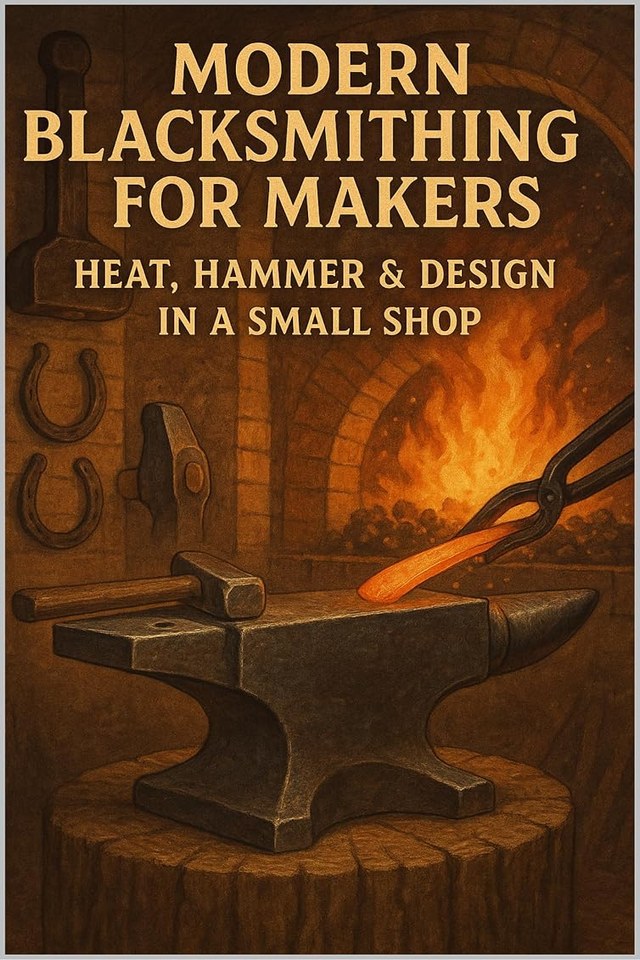
Forge work scaled down to a small shop: reading heat by colour, moving metal with control, and the design sense that separates a finished piece from a bent bar.
Modern Welding for Makers
MIG, TIG and stick, explained by what the puddle is telling you.
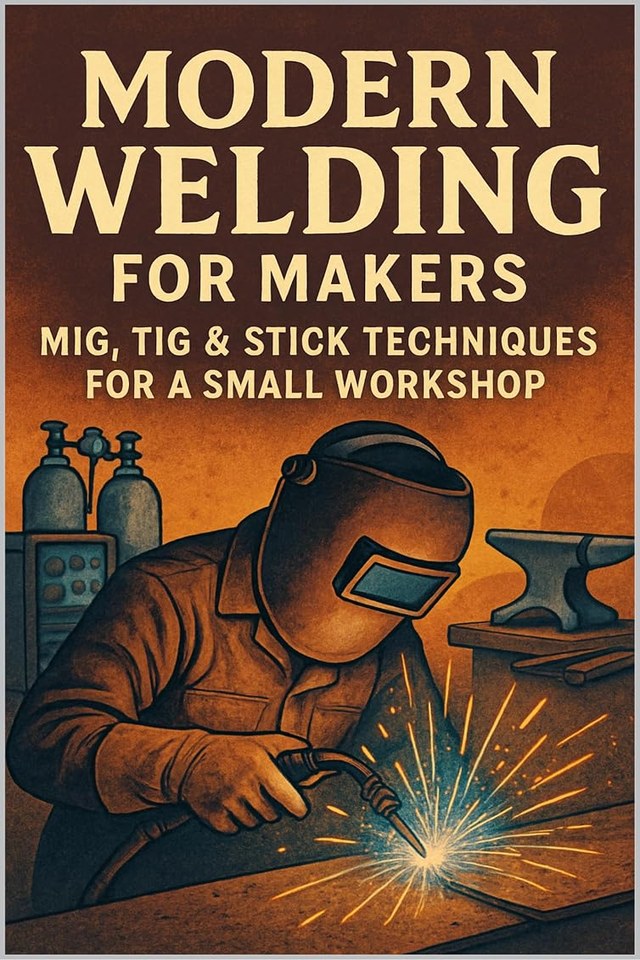
Three processes, one small workshop, and the judgement to pick the right one for the job. Setup, technique, and the common faults that show up in a bead.