
Sourdough starter not rising? It is probably not dead.
A starter that sits flat for a day or two is almost always hungry, cold, too wet, or too acidic. Fix those four things and life usually comes back within a few days.
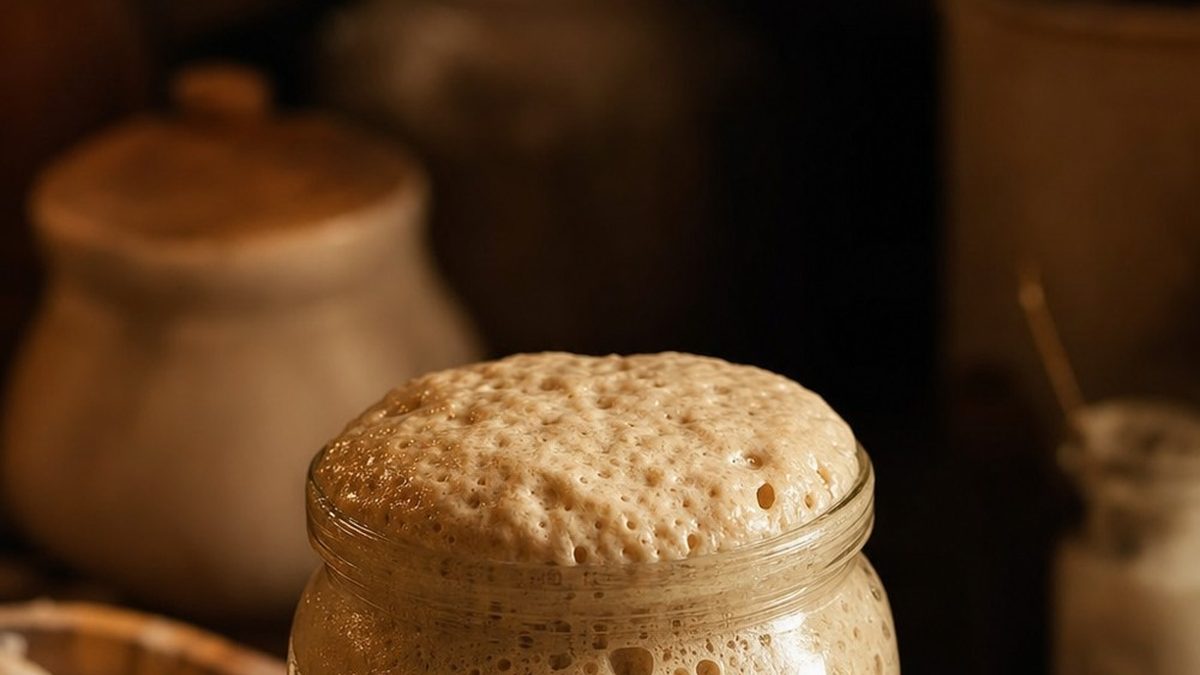
Move the jar to 75 to 80°F (24 to 27°C), feed 1:2:2 every 12 hours with 25 to 50% whole wheat or rye for the next 2 or 3 feeds, and mix it to thick pancake batter. Most starters show a dome and a 50 to 100% rise within 24 to 72 hours.
Why isn't my starter rising?
Five quick answers and you'll get the fix for your jar, with the feed amounts in grams.
Measure at jar height, not what the room thermostat says. Leave it blank if you don't know.
What a stalled starter looks like
It stays flat for 24 to 48 hours after feeding. You might see a few tiny bubbles on top, but there's no dome and no doubling, and the texture looks pasty or watery. It may smell faintly sour, oddly sweet, or a little like apples or glue.
Check one thing first. Fuzzy growth, or pink or orange streaks, isn't a "won't rise" problem. That's contamination: discard and restart. Gray liquid on top (hooch) or a dry skin is fine, and simply means the starter is hungry.
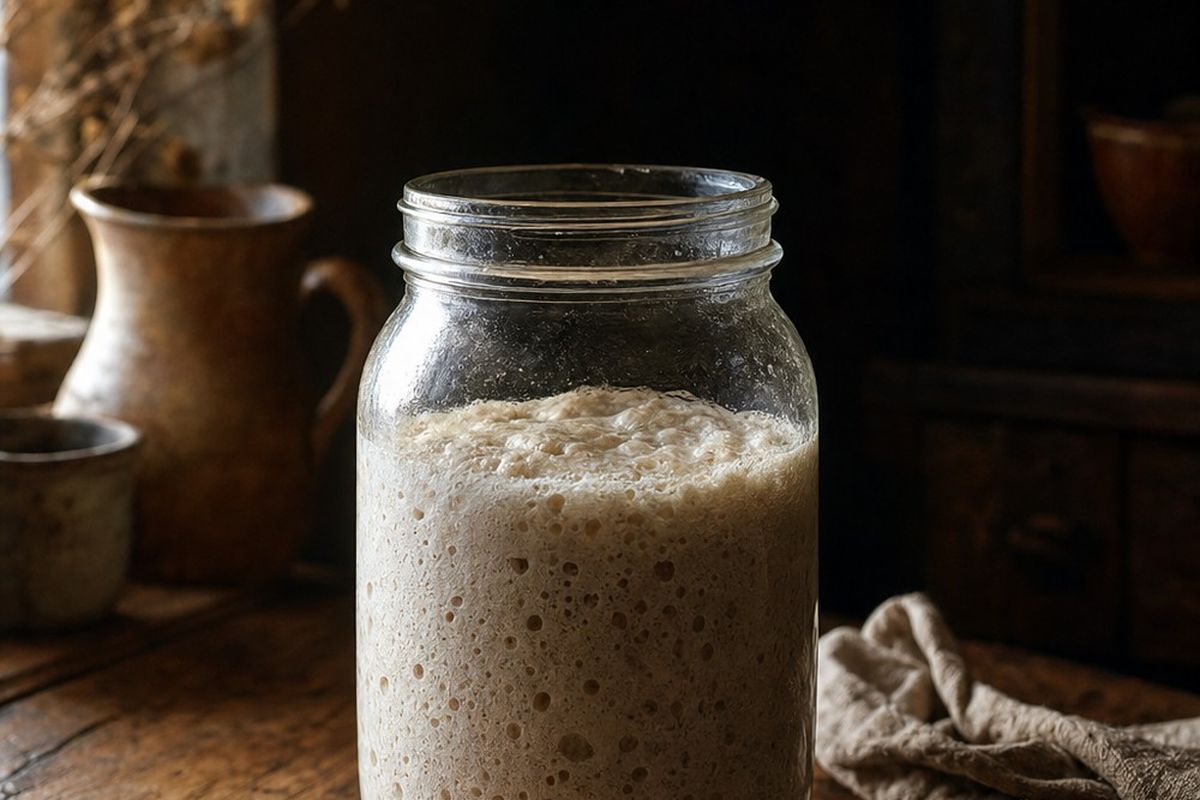
The four usual causes
- Too cold. Below about 70°F (21°C), yeast work so slowly that bubbles escape before they add any height.
- Too hungry. Long gaps between feeds let acid build up while food runs out, and the yeast slow down.
- Too acidic. A sharp vinegar or pickle smell that stings your nose means the yeast are stressed in a low-pH bath.
- Too wet. A very thin starter behaves like soup: gas shoots to the top and pops instead of lifting the mix.
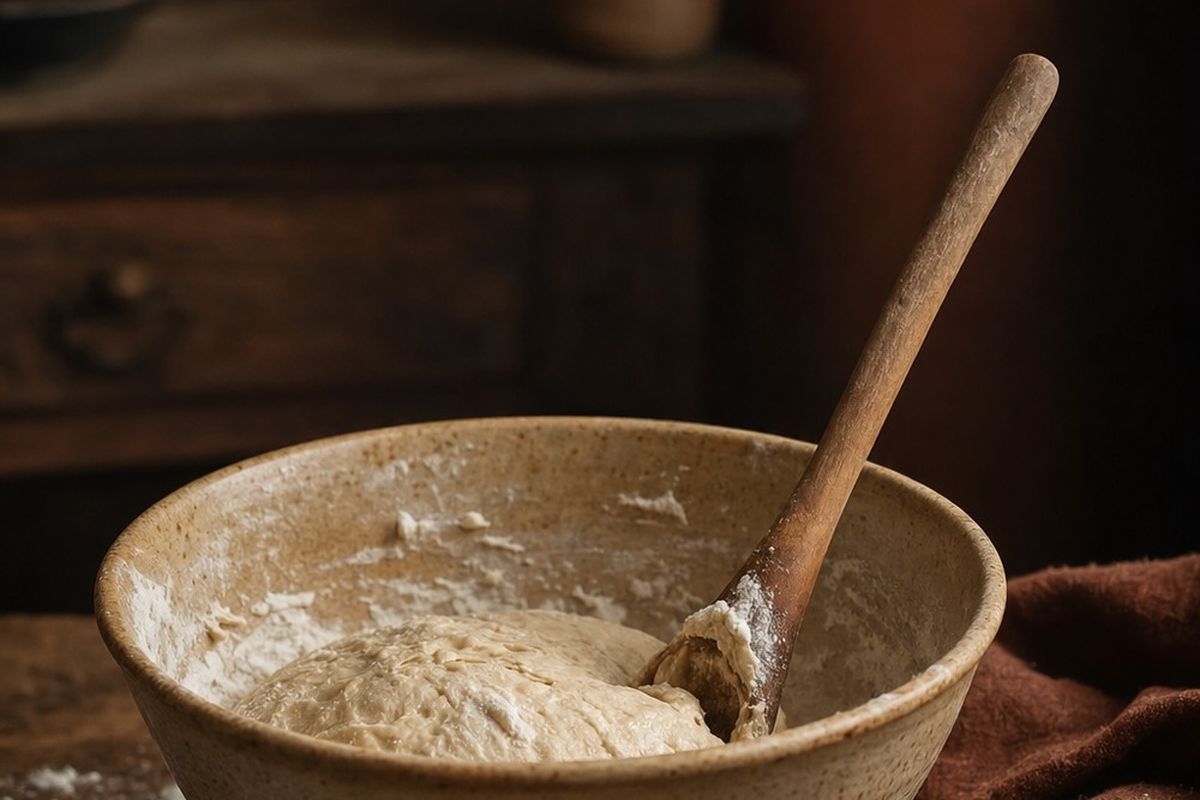
The fix, step by step
- Warm it up. Find a steady 75 to 80°F spot: an oven with just the light on, the top of the fridge, or a proofing box set low. Don't go above about 85°F (29°C), and take the jar out before you preheat the oven. This step alone often changes everything.
- Feed 1:2:2. Keep 20 g starter and add 40 g water and 40 g flour. If it smells very sour, do one 1:3:3 feed instead (60 g water, 60 g flour). Use 25 to 50% whole wheat or rye for the next 2 or 3 feeds.
- Thicken it to trap gas. Aim for thick pancake batter: a ribbon off the spoon should sit on the surface for 2 or 3 seconds. If it pours like milk, stir in flour a teaspoon at a time.
- Mark it and watch. Put a rubber band at the level and check at 2, 4, 8 and 12 hours. The highest point before the dome relaxes is the peak, and that's your next feeding time.
- Repeat every 12 hours. Don't wait days. Steady food rebuilds yeast numbers. For an optional boost, use slightly warm water once, or do a single feed with 100% rye, then go back to your usual flour.
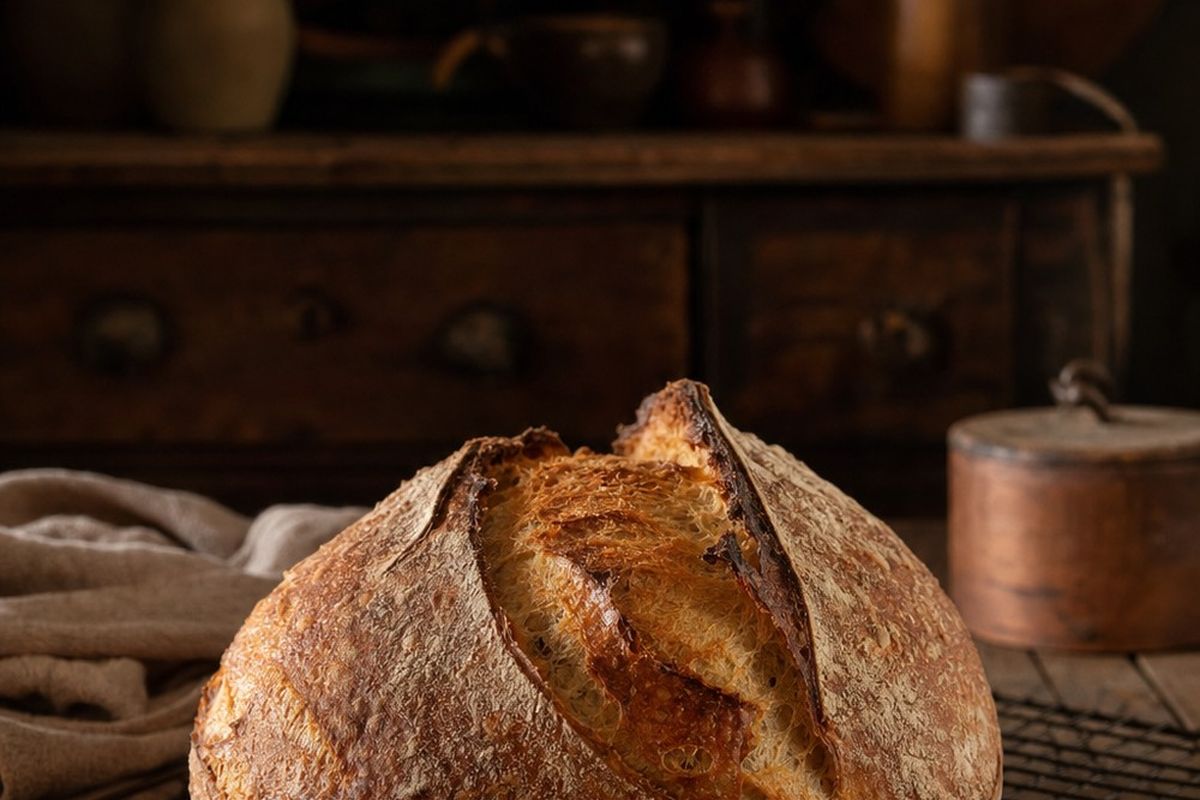
What success looks like
Within 24 to 72 hours you should see a gentle dome, bubbles threaded through the middle (not just froth on top), and a 50 to 100% rise between feeds. The smell shifts from flat to cleanly tangy, like yogurt or green apple. In a warm room, many starters double in 6 to 8 hours by day 3 or 4.
Judge by rise, smell and texture together. The float test is easily thrown off by how wet the starter is and how much you stirred it.
If it's still flat after three days
- Do a one-time 1:5:5 feed (20 g starter, 100 g water, 100 g flour) somewhere warm to dilute excess acid, then go back to 1:2:2 twice a day.
- Check the temperature at jar height with a thermometer. Countertops are often cooler than you think.
- Rule out chlorine: let tap water sit out overnight, or use filtered water for a few days.
- Make sure it isn't too thin. Thick pancake batter is your friend.
What you need to get it rising
- Seedling heat mat with thermostatHolds the jar at 75 to 80°F in a cold kitchen. Set it below 85°F.See options on Amazon →
- Instant-read thermometerCheck the temperature at jar height, not what the room thermostat says.See options on Amazon →
- Digital kitchen scale (grams)Feeds like 20 g, 40 g and 40 g only work if you weigh them.See options on Amazon →
- Whole rye flourUse 25 to 50% rye for the next 2 or 3 feeds to give it a boost.See options on Amazon →
- Water filter pitcherRules out chlorine in tap water, a quiet cause of a sluggish starter.See options on Amazon →
- Wide-mouth starter jarStraight sides let you mark the level and see the rise at 2, 4, 8 and 12 hours.See options on Amazon →
These are Amazon links. If you buy through them I earn a small commission, at no extra cost to you.
Keep the fix next to the jar
Get the free one-page Starter Rescue Checklist: seven symptoms, the fix for each, and the feeding ratios in one place.
One free PDF, delivered instantly. No spam, unsubscribe anytime.

Sourdough Starter Rescue
The full guide: a 7-day plan to revive a dead or failing starter, plus a fix for every symptom, from hooch and mold to a starter that won't rise.
Read it on Amazon →How long does it take a sluggish starter to rise again?
With warm, steady 12-hour feeds, most starters show a dome and a 50 to 100% rise within 24 to 72 hours.
What temperature does a sourdough starter need?
A steady 75 to 80 degrees F (24 to 27 C). Below about 70 F yeast slow down sharply; avoid going above about 85 F.